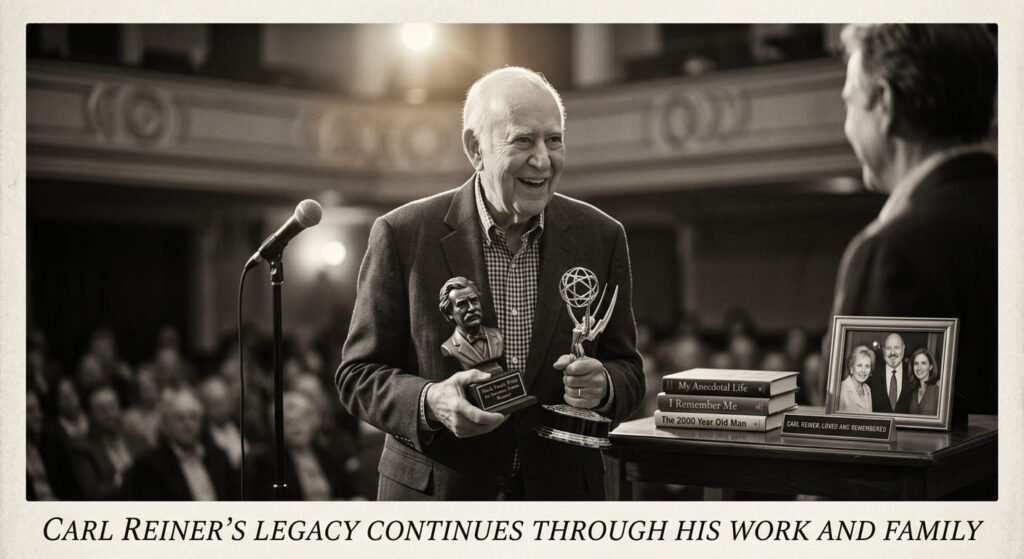
Carl Reiner Net Worth: How the Comedy Legend Built a $70 Million Fortune

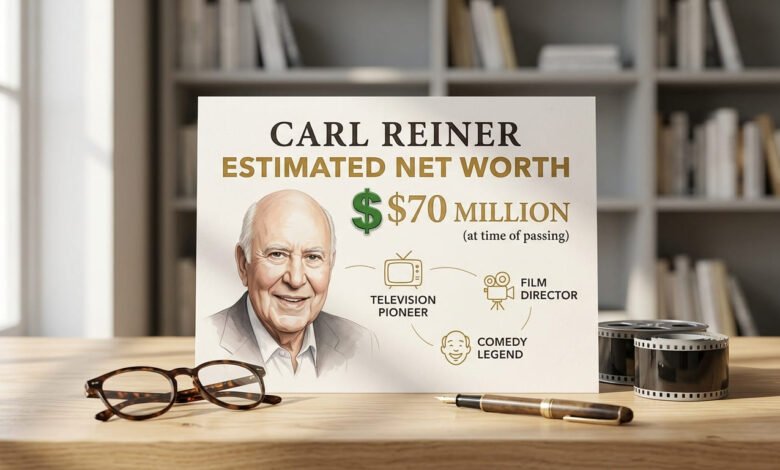
Carl Reiner is remembered as one of the most influential figures in American comedy — a writer, actor, director, and author whose career stretched across seven remarkable decades. By the time of his passing in 2020, Reiner had amassed an estimated net worth of $70 million, a fortune built not from a single lucky break but from a lifetime of consistent, versatile work across nearly every corner of the entertainment business.
In this article, we’ll break down exactly how Carl Reiner made his money, what his career milestones looked like, and how his estate and legacy continue today.
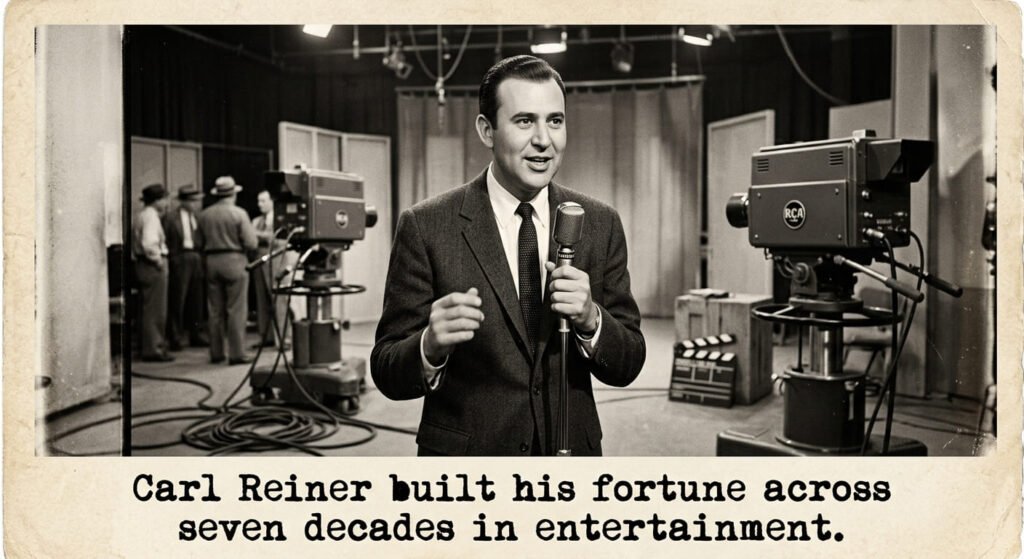
Who Was Carl Reiner?
Carl Reiner was born on March 20, 1922, in the Bronx, New York, to a working-class Jewish family. Long before he became a household name, Reiner served in the U.S. Army during World War II, where he was assigned to a special entertainment unit that allowed him to hone his talents as a performer. That early stage experience proved to be the launching pad for one of the most decorated careers in Hollywood history.
After the war, Reiner broke into the entertainment industry as a writer and performer on Sid Caesar’s groundbreaking variety show Your Show of Shows in the early 1950s. It was there that he crossed paths with future comedy giants like Mel Brooks and Neil Simon, relationships that would shape the rest of his career.
Early Career and Breakthrough
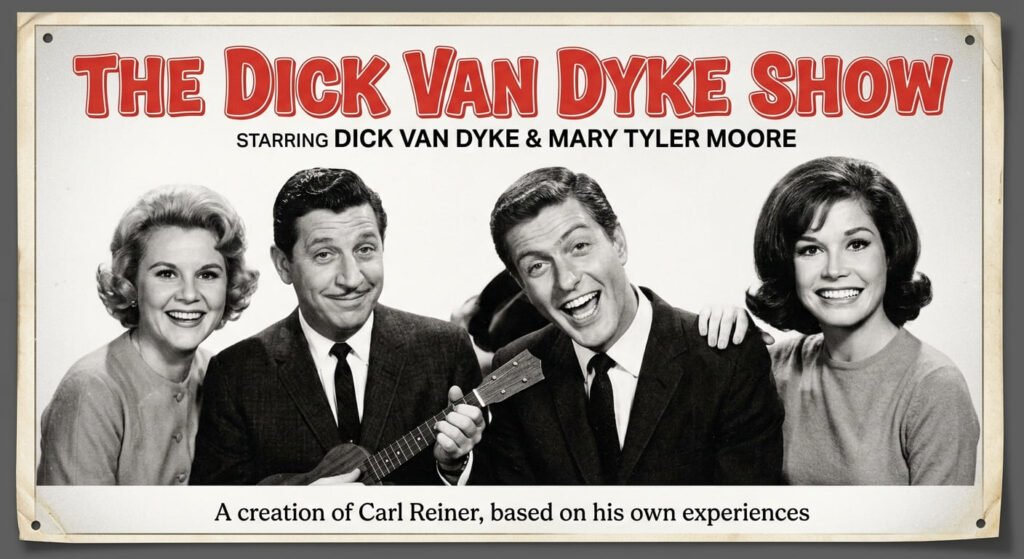
Reiner’s biggest breakthrough came in 1961 when he created The Dick Van Dyke Show, a sitcom that is still regarded as one of the most influential television comedies ever produced. Reiner didn’t just create the show — he wrote for it, produced it, and occasionally appeared on-screen, giving him multiple revenue streams from a single project. The show ran until 1966 and has continued to generate residual income for decades through syndication.
Carl Reiner’s Net Worth Breakdown
Television Earnings
A large portion of Reiner’s early wealth came directly from television. Beyond The Dick Van Dyke Show, he worked steadily as a writer, producer, and on-camera talent for decades, appearing in shows and specials that kept him relevant with each new generation of audiences. Television residuals — the ongoing payments actors and writers receive when a show airs in reruns or syndication — became a dependable and long-lasting income source for Reiner well into his later years.
Film Directing Career
In the 1970s and 1980s, Reiner shifted much of his focus to film directing, and this is where a significant chunk of his fortune was built. He directed a string of commercially successful comedies, most notably several collaborations with Steve Martin, including The Jerk (1979), which became a box-office hit and cemented Reiner’s reputation as a bankable Hollywood director. He also directed All of Me, Dead Men Don’t Wear Plaid, and Oh, God!, among other films.
Directing fees, combined with backend profit participation on hit films, added substantially to his overall earnings during this period of his career.
Acting Roles Later in Life
Even as he moved into his 80s and 90s, Reiner never fully retired from acting. He became widely known to younger audiences for his role as Saul Bloom in the Ocean’s Eleven trilogy (2001–2007) alongside stars like George Clooney and Brad Pitt. These films were massive commercial successes and introduced Reiner to a new generation, while also adding to his income through acting fees.
He also made frequent guest appearances on television shows and lent his voice to animated projects, continuing to work almost until his death at age 98.
Writing and Publishing
Reiner was also a prolific author. He wrote numerous books throughout his life, including memoirs, children’s books, and comedic essays. Titles such as I Remember Me, NannyGate, and Approaching 97 showcased his continued creativity well into his later decades. Book royalties, while typically smaller than film or television income, provided Reiner with a steady supplemental revenue stream and kept him actively engaged with audiences until the very end of his life.
Real Estate and Assets
Like many longtime Hollywood figures, Carl Reiner invested in real estate over the course of his career. He owned a home in Beverly Hills for decades, a property that appreciated significantly in value over the years he lived there. Reports indicate that when the home eventually sold, it fetched a price in the tens of millions of dollars, reflecting how much Southern California real estate values climbed since he first purchased the property.
Beyond real estate, Reiner lived a relatively modest lifestyle by Hollywood standards. He wasn’t known for flashy spending, exotic car collections, or lavish public displays of wealth — most of his fortune was tied up in career earnings, royalties, and long-term investments rather than extravagant purchases.
Awards and Recognition
Carl Reiner’s financial success was matched by an equally impressive list of industry accolades. Over his career, he won multiple Primetime Emmy Awards, largely for his writing and producing work on The Dick Van Dyke Show and his collaborations with Sid Caesar. He also received a Grammy Award for his comedy recordings with Mel Brooks as part of the “2000 Year Old Man” sketches, one of the most beloved comedy duos in American entertainment history.
In addition to these honors, Reiner received lifetime achievement recognitions from organizations such as the Television Academy and the Directors Guild of America, cementing his status as one of the most respected multi-hyphenates in entertainment history.
Family Life
Carl Reiner was married to singer and actress Estelle Lebost Reiner from 1943 until her death in 2008 — a marriage that lasted 65 years. Together, they had three children: director and actor Rob Reiner, author Annie Reiner, and filmmaker Lucas Reiner. Rob Reiner went on to have an enormously successful directing career of his own, helming films such as When Harry Met Sally, Stand by Me, and A Few Good Men, continuing the family’s legacy in Hollywood.
Carl and Rob Reiner also frequently worked together and remained close throughout Carl’s life, with Rob often speaking publicly about his father’s influence on his own career.
How Does Carl Reiner’s Net Worth Compare to His Peers?
When placed alongside other legendary directors and comedians of his era, Reiner’s $70 million net worth puts him in the same general range as contemporaries who built long, diversified careers rather than relying on one blockbuster hit. Unlike performers whose wealth is tied to a single franchise or a short window of fame, Reiner’s fortune reflects nearly 70 years of continuous, varied work — writing, acting, directing, and publishing — which is a rarer and arguably more impressive accomplishment in an industry known for short-lived careers.
Final Thoughts
Carl Reiner’s $70 million net worth stands as a testament to what a long, disciplined, and versatile career in entertainment can achieve. Rather than chasing a single defining hit, Reiner built his wealth methodically — through television writing, film directing, acting, and authorship — while remaining active and creative literally until the final days of his life. His legacy lives on not only through his considerable estate but through the shows, films, and books that continue to entertain audiences long after his passing, and through a family that has carried his creative influence into the next generation of Hollywood storytelling.